

{{'Newsletter' | t}}
The Humanities in Action
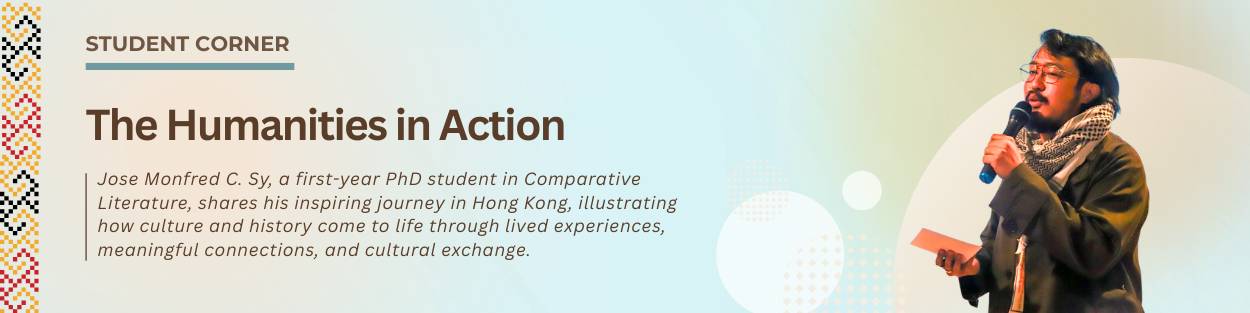
As a first-year PhD student in Comparative Literature at the School of Humanities, my days are spent immersed in the ‘long 1960s’. My research focuses on the intellectual history of Filipino activists who theorised about art, literature, and culture during that time and the immediate decades after, and I contextualise them within the sweeping global upheavals, such as bursting anticolonial movements, of the era. Interestingly, some of these figures actually published a few of their writings right here in Hong Kong! Years later, I found myself tracing their footsteps, drawn to HKU by the incredible methodological expertise, rigorous training, and academic resources our department offers.
Moving far away from the language and culture of the people I study dipped me into anxious waters. I worried about isolation, which is all too common for humanities scholars. Fortunately, the vibrant community at HKU quickly dispelled those fears. I found a supportive network of postgraduate peers (plus undergraduate kiddos to tutor!) in the welcoming hallways of Lap-Chee College, where I currently reside, and the brilliant minds across the Faculty of Arts. They made this bustling metropolis feel like home right away.
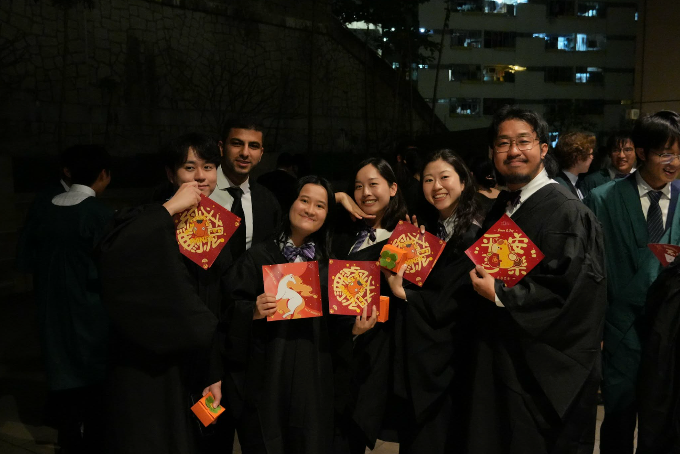

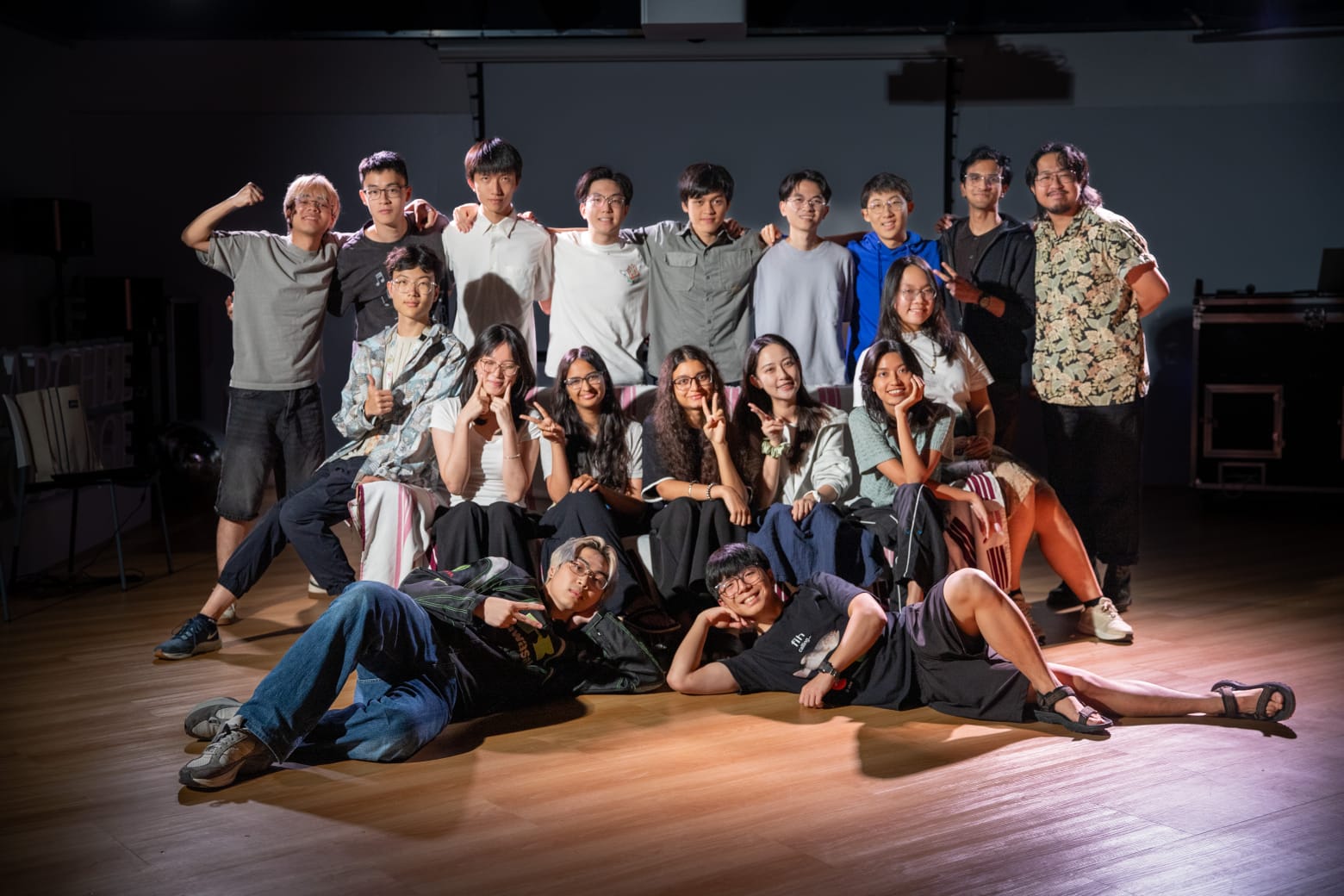
Mon with the tutors and his team of students in the Media Team of Lap-Chee College
The most profound addition to my life in Hong Kong happened outside the university archives. It came from connecting with the ‘ates’ (big sisters) of UNIFIL-MIGRANTE, a large organisation of Filipino domestic workers who support one another while working abroad. The Filipino diaspora is an integral part of Hong Kong’s cosmopolitan and heterogenous cultural fabric, and for me the ates represent a rich repository of shared memory and oral history. For a researcher of Philippine literature, spending time with them brings the themes of my studies to life. By listening to their lived experiences, helping out with their welfare initiatives, and practising our shared traditions, I found a living archive of mutual community care. Needless to say, culture is not paralysed in the past but instead constantly practised and negotiated every day, and even across geographical borders, which I only get to witness staying here in Hong Kong where Filipinos comprise the biggest ethnic minority.
Realising that there are many of us in the territory, a number of us Filipino postgraduate students and recent graduates formed a research-cum-public-service collective, the Network for Philippine Studies in Hong Kong or NePS-HK. We aim to learn about different issues faced by Filipinos in the diaspora and at home while volunteering for the ates in their cultural and welfare initiatives in Hong Kong.
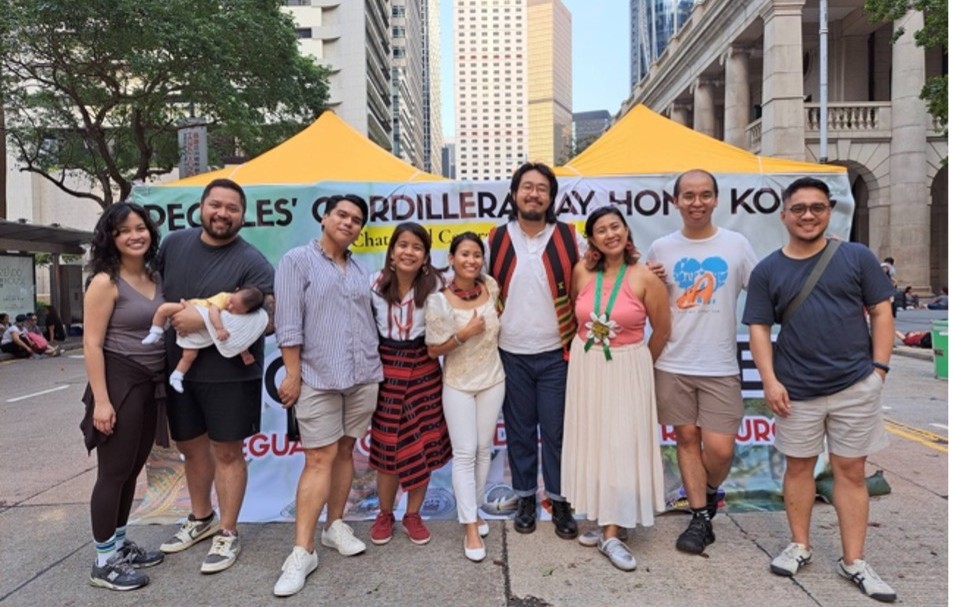
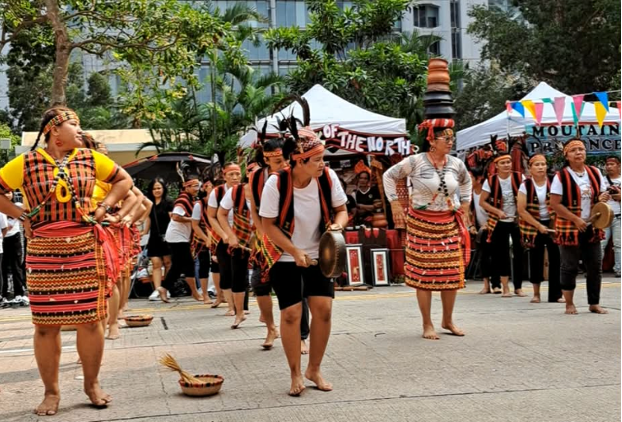
Celebrating Indigenous Filipino culture at the 42nd People’s Cordillera Day, featuring several members and friends of NePS-HK
Our involvement brought us to Chater Road in Central this past April for the 42nd People’s Cordillera Day. Under the banner of “Cordilleran Migrants Unite! Safeguard Our Land, Life, and Resources”, the vibrant gathering was a beautiful, public celebration of heritage. The festival served as a renewal of commitment to the legacy of defending ancestral lands forged by heroes and martyrs, such as the revered Indigenous leader Macliing Dulag. Standing among the colourful traditional attires, hearing their rhythmic gongs, dancing with the rest of the attendees, and listening to stories of solidarity, I realised that this was not detached from my academic work. It was culture and history—our culture and history—in action. Being there among the diaspora led me to a deep well of inspiration that feeds directly back into the chapters of my dissertation that also seeks to understand how literature intersects with real-world advocacies.
My first year has taught me that HKU offers far more than world-class research facilities. It provides a unique geographic and cultural intersection where the past meets the present. The beauty of pursuing a postgraduate degree here lies in the amazing diversity the University and city offer. Learning from international hallmates and volunteering within the local Filipino community has given me a precious space where I can connect academic research with public service. I believe the humanities truly come alive when our textual research intertwines with living cultural heritage and meaningful, long-term community engagement.
.png)
Jose Monfred C. Sy (Mon) with other Filipino and comparative literature postgraduate students in Hong Kong