


{{'Newsletter' | t}}
Awards and Achievements
The University works extensively in promoting and expanding opportunities for students to engage in research activities to strengthen their research capability and gain hands-on experience. In this issue, we are proud to introduce some of the high-quality work and awards received by our research postgraduate students, whose achievements shine across multiple disciplines in the international arena and local community.
- Faculty of Architecture
-
PhD Student Wins Best Student Presentation Award at ILUTM-9
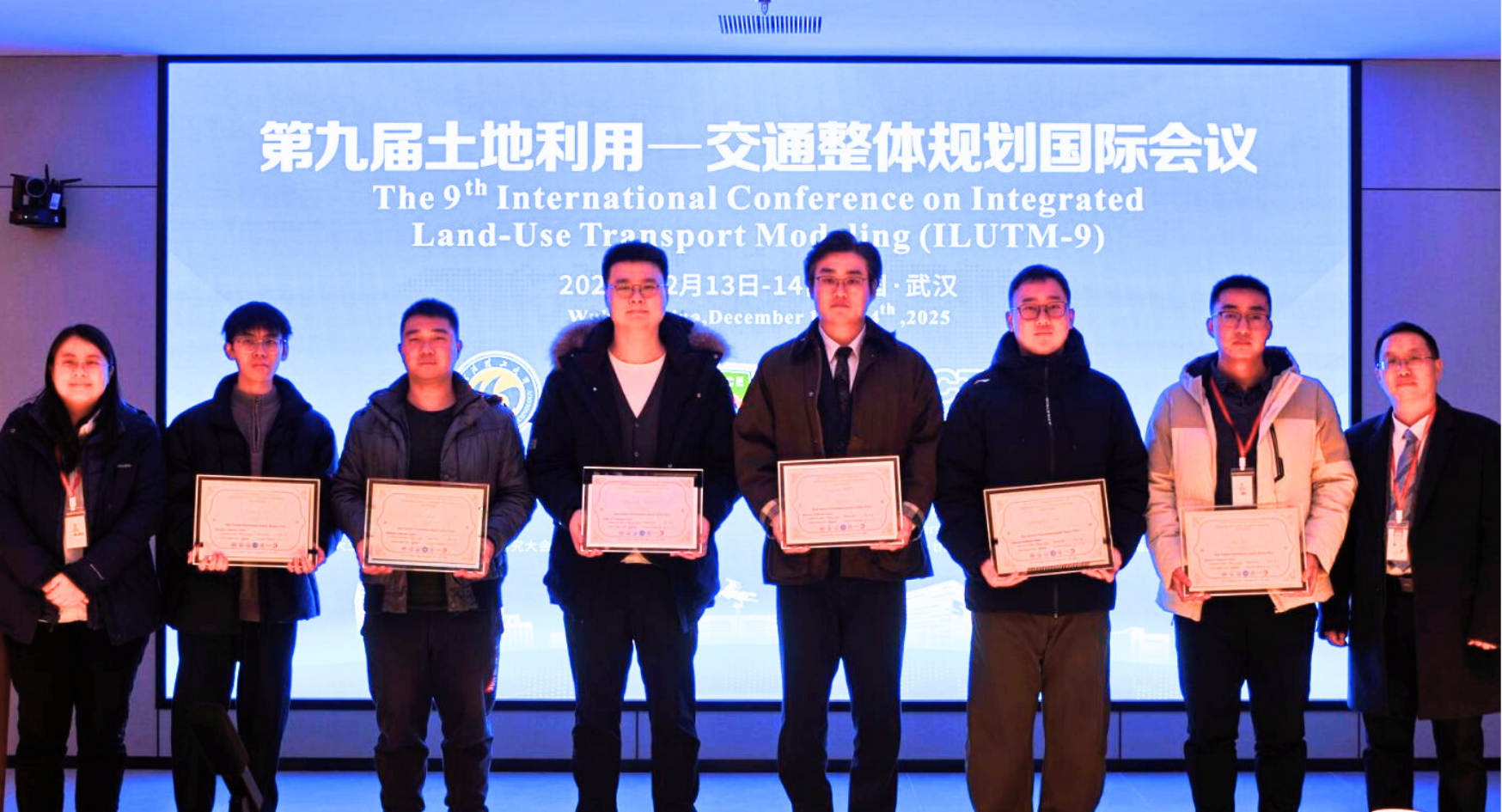
Weipeng Deng (fourth from left) with other awardees and members of the ILUTM-9 award committee. Weipeng Deng, a PhD candidate in the Department of Urban Planning and Design, was awarded the Best Student Presentation Award (Silver Prize) at the 9th International Conference on Integrated Land-Use Transport Modeling (ILUTM-9), held in Wuhan, China, in December 2025. The conference was hosted by Wuhan University of Technology and co-hosted by Beijing Institute of Technology, bringing together international scholars to explore the theme “AI-Powered Integrated Land-Use Transport Modeling and Decision-Making Support for Integrated Planning”.
Weipeng received the award for his presentation titled “Digital Visibility, Physical Obscurity: Uncovering the Location Strategies of Ghost Kitchens in Platform Urbanism”. The research examines how ghost kitchens (delivery-only food production facilities) operate at the intersection of digital platforms and physical urban space, revealing hidden spatial patterns that are often invisible to regulators and consumers. By combining multimodal data fusion with spatial modelling techniques, the study highlights the potential of artificial intelligence to advance transparent urban governance and reduce information asymmetries in the digital era.
The research was conducted in collaboration with Yihong Tang (an HKU MPhil alumnus who is now a PhD candidate at McGill University) and Chaofan Wang (a PhD candidate at HKU), under the supervision of Professor Tianren Yang, Assistant Professor in the Department of Urban Planning and Design. A key contribution of the project is the development of LLM4GKID, an open-source, large language model–powered tool that enables city-scale identification of ghost kitchens in a cost-effective and scalable manner. A paper on the tool has been accepted for publication in IEEE Transactions on Computational Social Systems.
By demonstrating the practical utility of LLM4GKID in uncovering hidden ghost kitchens within real-world commercial ecosystems, the research provides policymakers and urban planners with a powerful AI-enabled approach to monitoring the digital foodscape. This contributes to enhanced consumer transparency and supports strategic decision-making around the development and regulation of urban culinary infrastructure.
Click here to find out more about ILUTM-9.
Architecture PhD Candidate Wins Global Sustainability Challenge, Advances to World Finals
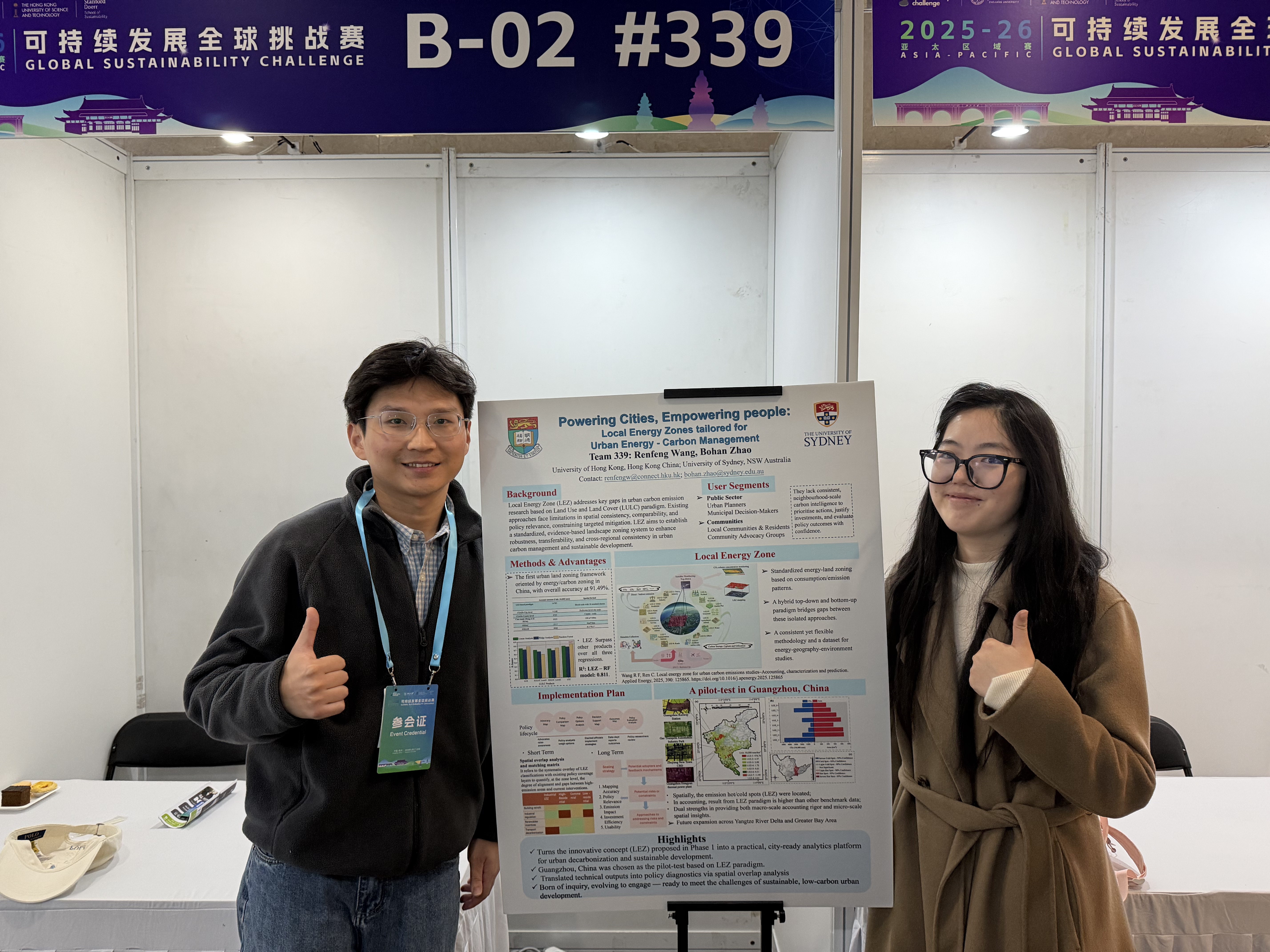
Renfeng Wang (left), from the Faculty of Architecture, with his teammate Bohan Zhao (right) at the Asia-Pacific Regional Final of the Global Sustainability Challenge (GSC). Renfeng Wang, a third-year PhD candidate from the Department of Architecture—together with his teammate Bohan Zhao, an undergraduate student from the University of Sydney—achieved outstanding results in the Asia-Pacific Regional Final of the Global Sustainability Challenge. This annual international competition, hosted by the Stanford Doerr School of Sustainability, aims to empower university students worldwide to develop actionable solutions to pressing environmental and societal issues.
Competing in the highly contested “Sustainable Energy” track, the team stood out among 64 shortlisted teams from across the Asia-Pacific region and was awarded a Top 10 Merit Award. With this accomplishment, they have successfully secured a place in the Global Finals, to be held on April 28, 2026, at the Technical University of Munich.
Their award-winning project, supervised throughout by Renfeng’s PhD supervisor Professor Chao Ren and rooted in Renfeng’s PhD research on “Local Energy Zone (LEZ) Systems”, transforms the LEZ concept into a practical, urban-scale analytical platform for city-level decarbonisation and sustainable development. The platform establishes granular, community-scale carbon accounts that characterise energy use and emission profiles in specific urban areas, and models future trajectories under different intervention scenarios.
RPG Students’ Paper on Blue-green Infrastructure in Cool HK Urban Layouts Published in Sustainable Cities and Society
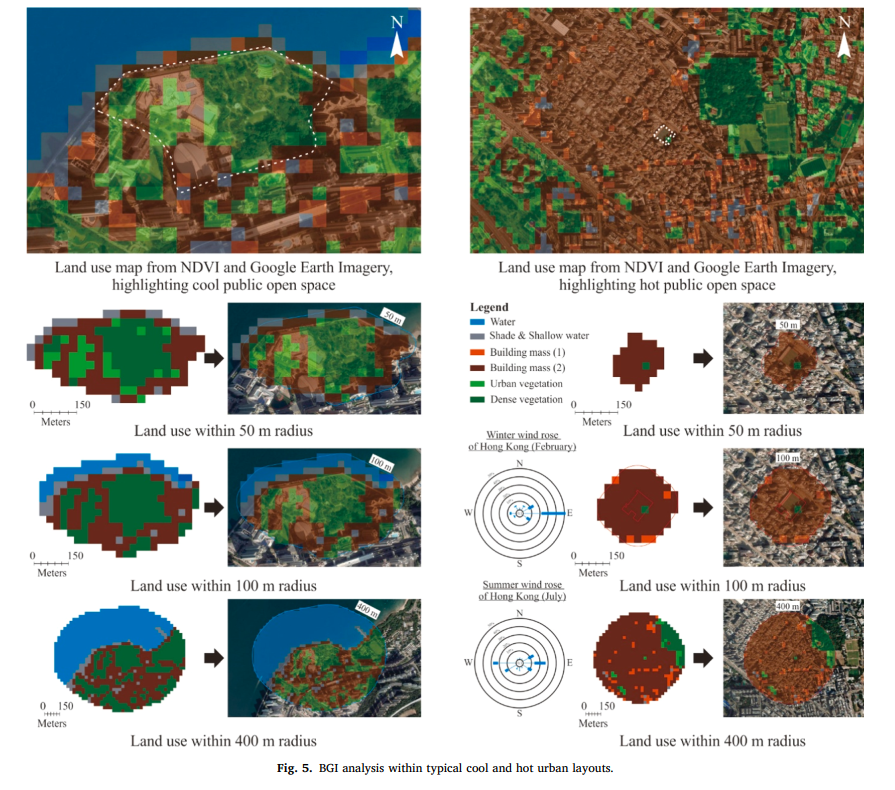
Fig. 5. BGI analysis within typical cool and hot urban layouts. (https://doi.org/10.1016/j.scs.2025.107086) RPG students Anvar Mukhamedjanov, Bo-Sin Tang, and Weifeng Li from the Department of Urban Planning and Design at the HKU Faculty of Architecture have successfully published a paper, titled "Analysing Blue-Green Infrastructure in Cool Urban Layouts of Hong Kong: A Public Open Space-Centered Approach", in Sustainable Cities and Society — one of the field’s top journals.
The team’s meticulous analysis of urban heat resilience leveraged high-resolution (30m) Landsat 8 imagery to explore the complex relationship between land cover, surface temperature, and urban design. Using Hong Kong’s dense public spaces as a case study, their findings reveal a critical planning gap — the amount of greenery may need to be doubled compared with previous estimates to cool dense cities in humid subtropical climates effectively.
The research not only offers practical guidance for urban planners to strive to create more resilient urban environments, but also contributes significantly to global discourse on sustainable city design.
- Faculty of Arts
-
Arts MPhil Student Achieves Significant Publications in Chinese Religious Studies
Chung Hin Wong, an MPhil student from the School of Chinese under the guidance of Professor Mark Meulenbeld, has recently contributed to the field of Chinese religious studies with three articles accepted or published in leading international journals focused on Daoism.
In December 2025, “Revisiting the Transformation of Daoist Alchemy” appeared in Studies in Chinese Religions. This work reexamines the paradigm shift from external to internal alchemy, employing Kuhn’s paradigm theory to understand doctrinal changes and religious evolution in Daoism.
Another upcoming publication, “Daoism as a Civil Religion”, scheduled for 2026 in Review of Religion and Chinese Society, explores Daoist ecological thought. It assesses how Confucian and Daoist traditions can dialogue to develop a religion-based ecological ethic suited for modern Chinese society, highlighting both potential and limitations.
The third article, “Sacrificing the Body to Attain the Dao”, will appear in the Journal of Daoist Studies in February 2027. It analyses historical Daoist perspectives on self-sacrifice and bodily transcendence, providing nuanced insights into moral and spiritual ideals related to suicide.
These achievements reflect Chung Hin’s scholarly dedication and contributions to Daoist studies and Chinese religious traditions within the HKU research community.
From Hong Kong to Brazil: The Academic Journey in Latin American Studies of Dr Henrique Gomes, PhD graduate of the School of Modern Languages and Cultures
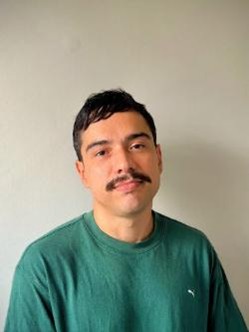
During my PhD in Latin American Studies at HKU, my research examined the portrayal of epistemic injustice and decolonial resistance in contemporary Brazilian Northeastern literature and cinema. I was honoured to receive both the Hong Kong PhD Fellowship and the HKU Presidential PhD Scholarship for the full duration of my studies. In 2024, my thesis was nominated for the Li Ka Shing Prizes and the HKU Foundation Award for Outstanding Research Postgraduate Students.
HKU’s institutional support was decisive in enabling the international reach of my work. Through the HKU Early Career Mobility Funds, I undertook a two-month visiting scholarship at the University of Glasgow, where I advanced my research, contributed to teaching in Latin American Film, and strengthened long-term academic collaborations. Throughout my doctorate, I presented at major international conferences in the UK with HKU’s support, including the Society for Latin American Studies Conference at Queen’s University Belfast and the MLA International Symposium in Glasgow, as well as conferences hosted by the University of York and the University of London. These opportunities positioned my research within global debates on race, decoloniality, and visual culture.
Within HKU, I contributed actively to the intellectual life of the School of Modern Languages and Cultures. For instance, I delivered a lecture in the “Focus on Latin America” Seminar Series and served as a tutor in courses such as Magical Realism in Latin American Literature and Film, Cultural Approaches to Dictatorship in Chile and Argentina, and Foundations of American Studies. Teaching in HKU’s international classroom environment was formative for my pedagogical development, reinforcing comparative and transnational approaches to cultural studies.
Doctorial supervision by Professor Bárbara Fernández-Melleda and Professor Tim Gruenewald was central to this journey. Their guidance fostered a rigorous interdisciplinary methodology bridging film studies, literary analysis, and critical race theory, while encouraging intellectual independence and international engagement.
The combination of competitive funding, mobility support, research excellence, and a vibrant scholarly community at HKU was instrumental in preparing me for my appointment as Assistant Professor in Cinema and Audiovisual Studies at the University of Fortaleza (UNIFOR), Brazil, beginning in March 2026. The programme was awarded the highest recognition by the Brazilian Ministry of Education in the most recent national assessment exercise. In this role, I will contribute by teaching Brazilian Cinema, Documentary, Sound, and Installation Art, supervising undergraduate students, and contributing to curriculum development. I remain deeply grateful to HKU’s Graduate School for the training and environment that made this trajectory possible.
- Faculty of Education
-
Education PhD Student’s Visit to IEA Hamburg and Participation in Large-Scale Assessment Studies
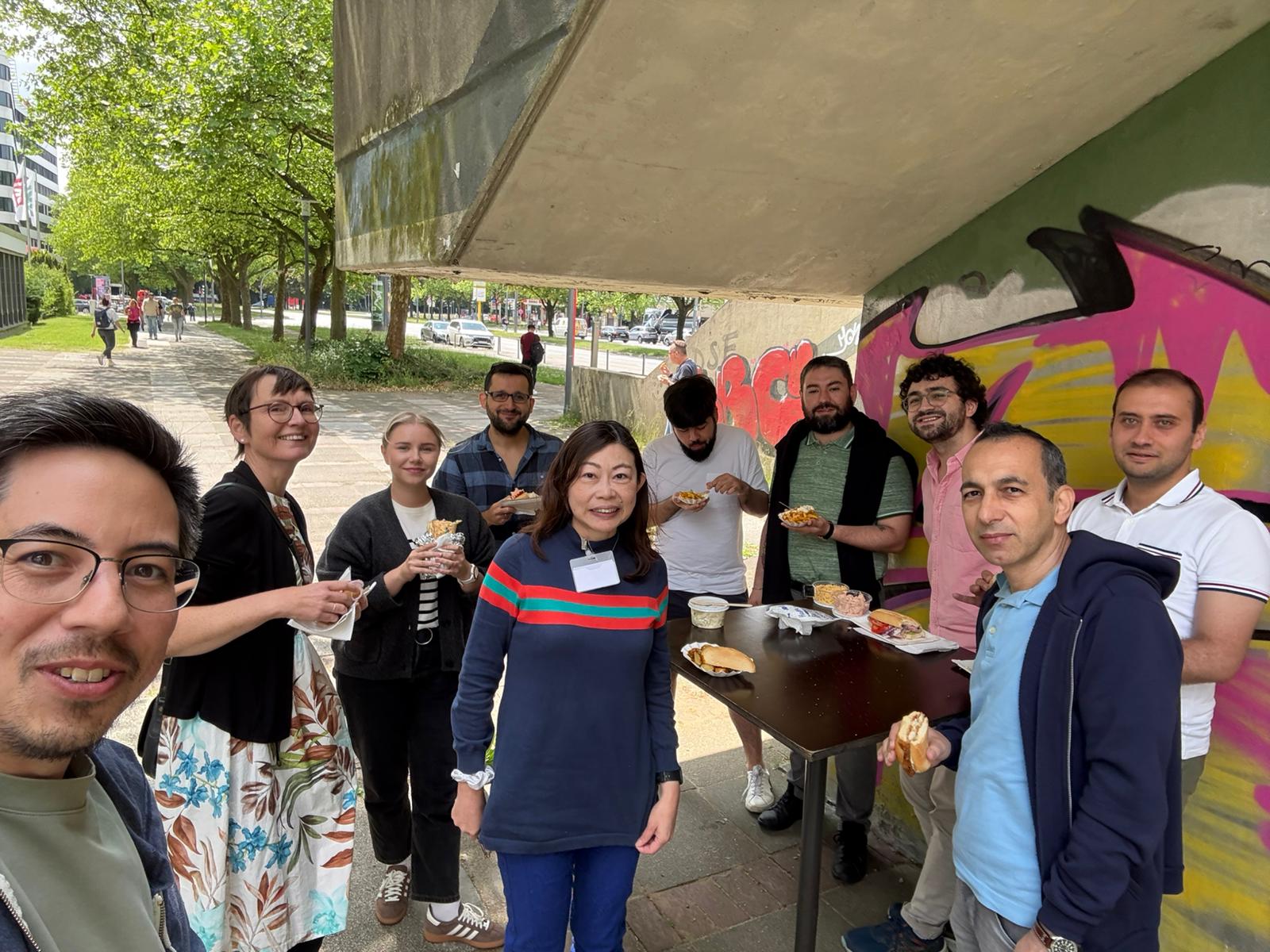
May Shwen Suzanne Lee visiting IEA Hamburg in June 2025. May Shwen Suzanne Lee, a PhD student from the Faculty of Education, visited the International Association for the Evaluation of Educational Achievement (IEA) in Hamburg, Germany, as an academic visitor from 10–18 June 2025. At IEA, Suzanne met her academic mentor, Dr Alec Kennedy, Senior Research Analyst at the Research and Analysis Unit, and other IEA staff, who form a diverse, global community.
During her visit, Suzanne collaborated closely with Dr Kennedy on a large-scale assessment research project involving 59 countries in Trends in International Mathematics and Science Study (TIMSS) data. The topic of their research project was the effect of early parental involvement on students’ achievement. There, Suzanne had the opportunity to present her PhD research on the relationship between parental practices and students’ academic intrinsic motivation. She also listened to the presentations by IEA staff on topics they were going to present at the 11th IEA International Research Conference in Rome. Dr Kennedy specially arranged for Dr Umut Atasever, a specialist from the Sampling Unit, to give her a personal tutorial on sampling design in TIMSS data.
“My visit to IEA was an awesome experience as I not only learned a lot about large-scale assessment research from the talented IEA staff, they were also very welcoming and warm!” Suzanne noted.
- Faculty of Engineering
-
SCDS PhD Students Awarded Prestigious Scholarships
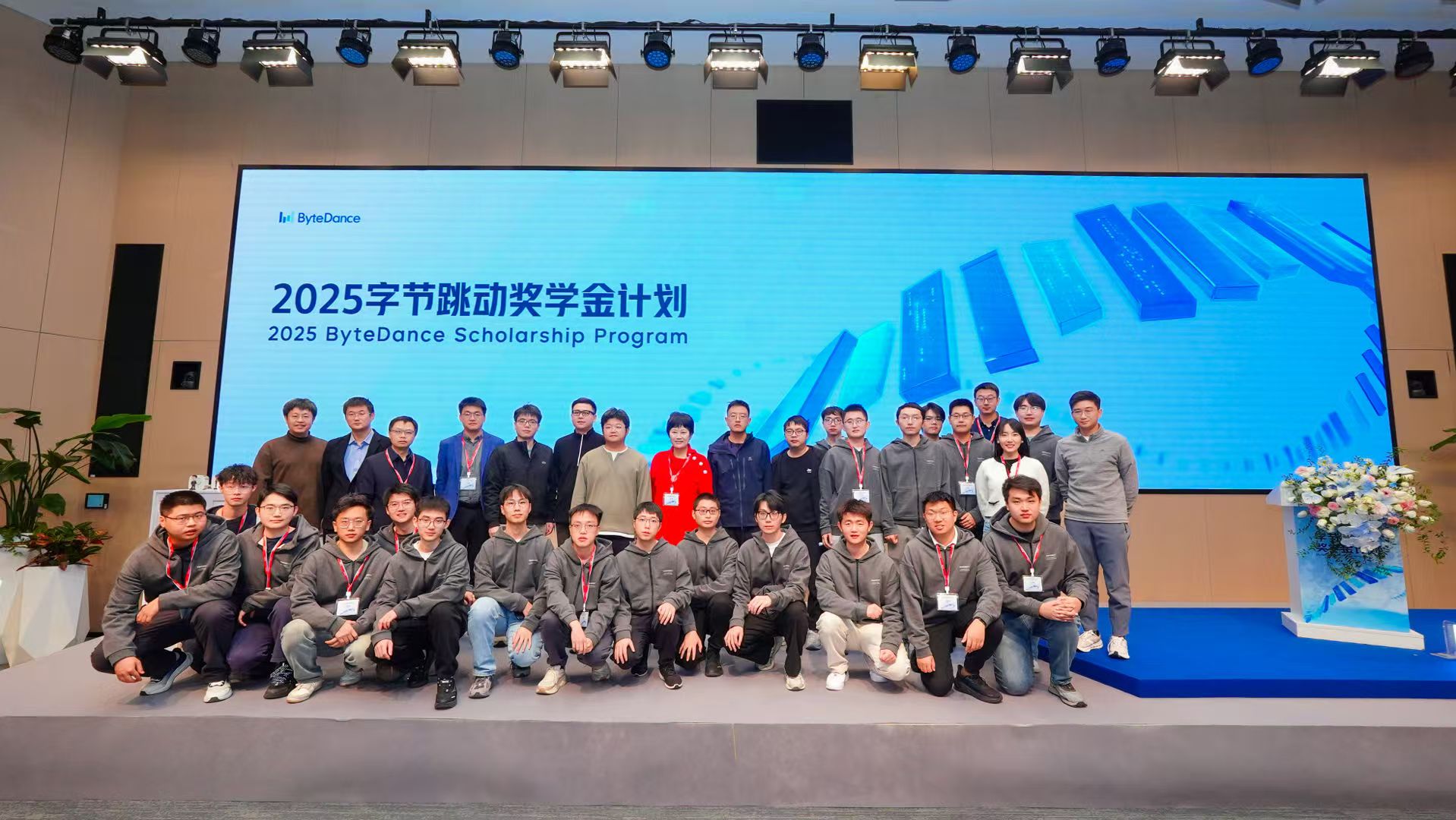
SCDS PhD students attending the 2025 ByteDance Scholarship Award Ceremony. Two PhD students from the School of Computing and Data Science (SCDS) received the 2025 ByteDance Scholarship. Launched in 2021, the ByteDance Scholarship Programme recognises exceptional doctoral students in computing science, fundamental sciences, artificial intelligence, and allied fields. It aims to nurture top technical talent, support their academic and research pursuits, and inspire contributions to society through technology. The 2025 cycle attracted more than 500 applications from 66 universities across China and Singapore, with 20 awardees selected after rigorous evaluation. The two HKU awardees are Mengzhao Chen (supervised by Professor Ping Luo, research field: efficient training and inference for large models) and Chengyue Wu (supervised by Professor Ping Luo and Professor Wenping Wang, research field: multimodal large language models).
Three SCDS PhD students have been selected as recipients of the inaugural Tencent Project Up Scholarship (腾讯青云奖学金). Launched in October 2025, the Tencent Project Up Scholarship supports promising young researchers in computer science, artificial intelligence, and interdisciplinary fields. The programme attracted nearly 400 applications from over 70 universities nationwide, with 15 awardees chosen for their outstanding work in artificial intelligence and related frontier research, each receiving total support of up to RMB 500,000, comprising a cash reward of RMB 200,000 to support their research and personal development and RMB 300,000 worth of cloud heterogeneous computing resources dedicated to GPU usage. Among the four awardees from Hong Kong, three are from the Faculty of Engineering at HKU. The awardees are Junsong Chen (supervised by Professor Ping Luo, research field: AIGC and machine learning); Lihe Yang (supervised by Professor Hengshuang Zhao, research field: computer vision); and Lei Li (supervised by Professor Lingpeng Kong and Professor Qi Liu, research field: multimodal large language models).
(This article is adapted from https://engg.hku.hk/News-Events/News/issue/2026-02#8730.)
- LKS Faculty of Medicine
-
School of Public Health PhD Students Clinch Merit Award at HK Techathon+ Finale
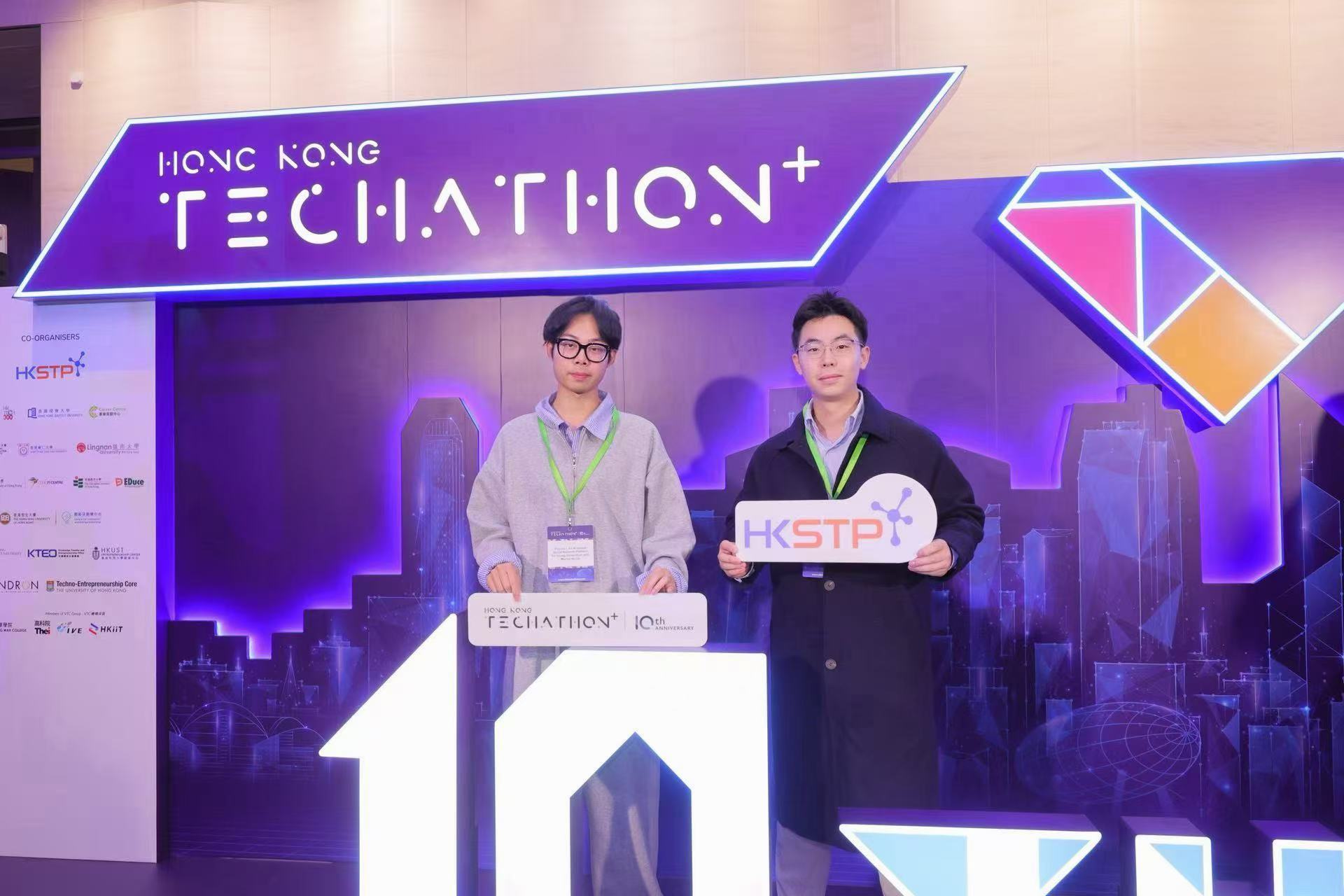
Jiaqi Chen (left) and Hao Wang (right) won the Merit Award in the Trusted AI & Data Science track at the HK Techathon+ Finale 2026. Jiaqi Chen and Hao Wang, two first-year PhD students from the School of Public Health (SPH), have won the Merit Award in the Trusted AI & Data Science track at the HK Techathon+ Finale 2026. Hosted by the Hong Kong Science and Technology Park (HKSTP), this event is Hong Kong’s flagship annual cross-university entrepreneurship competition. The award paves the way for the team to further establish a business with support from HKSTP and many other entities in Hong Kong.
Following a successful beta phase, Jiaqi and Hao are set to launch Psycho—an innovative social networking platform (AI心靈社交) that pioneers the integration of large language models with traditional social infrastructure. Moving beyond conventional matchmaking, Psycho leverages AI as a digital companion to actively support users' psychological growth and self-exploration. By prioritising mental well-being alongside interaction, the platform empowers the new generation to break through digital isolation, discover like-minded soulmates, and foster deeper, more authentic connections with society.
The award list can be viewed on the official site: https://www.hktechathon.com/en/site/award-list.
HKU Microbiology Team Creates Groundbreaking Nasal Organoid Platform for SARS-CoV-2 Neutralisation Testing
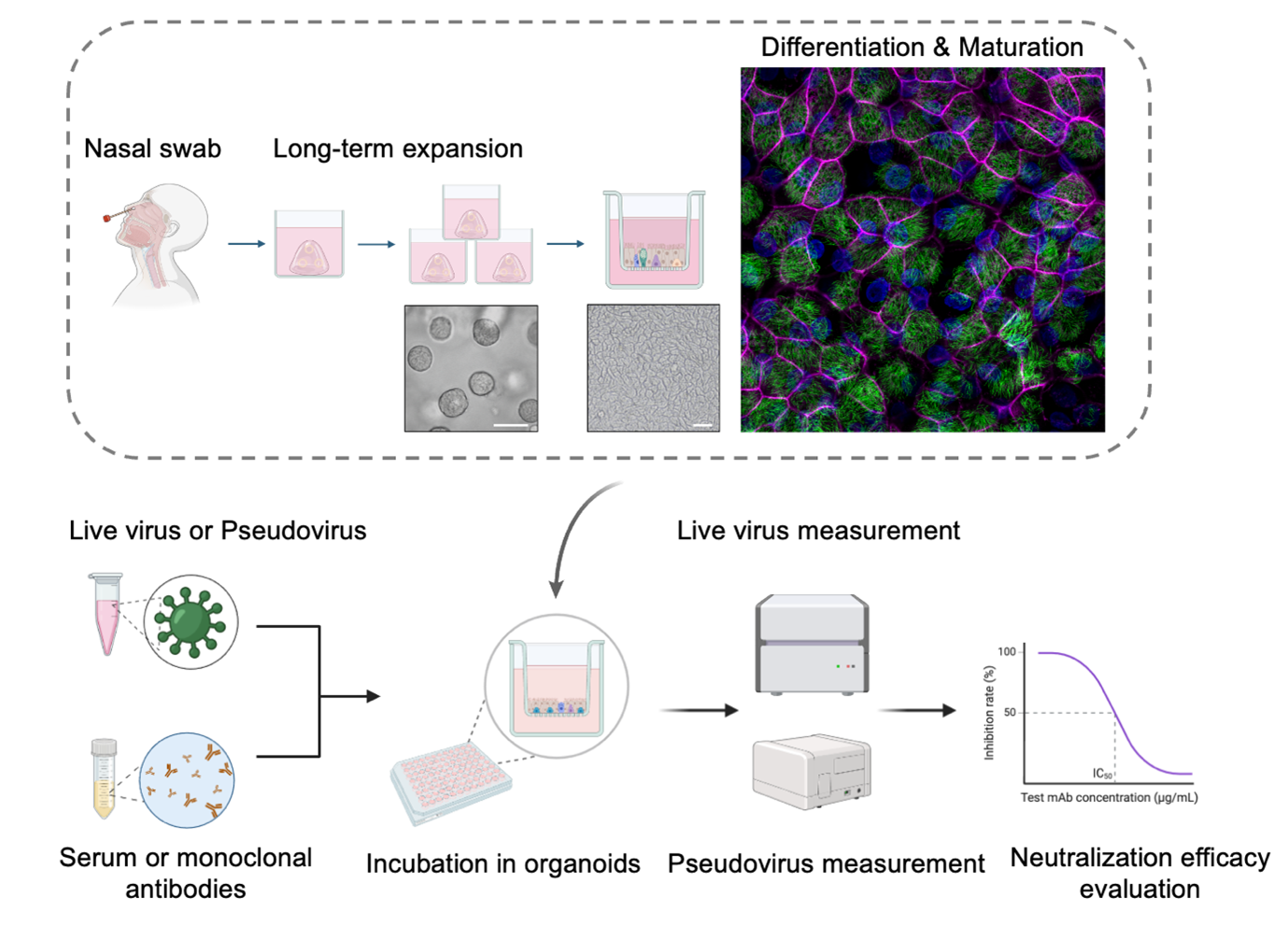
Figure. Outline of the organoid-based neutralisation system. A research team from the Department of Microbiology under the School of Clinical Medicine in the LKS Faculty of Medicine (HKUMed), has successfully developed the world’s first “Nasal Organoid-based SARS-CoV-2 Neutralising Antibody Evaluation Platform”. The platform uses respiratory organoids that adequately model viral infection in the human respiratory tract, enabling accurate assessment of the effectiveness of antibodies and vaccines against SARS-CoV-2, the virus responsible for COVID-19.
HKUMed’s innovative platform is poised to become a crucial tool for evaluating antiviral drugs and vaccines against respiratory viruses, thereby accelerating the development of effective therapies. A research article titled “Organoid-based Neutralization Assays Reveal a Distinctive Profile of SARS-CoV-2 Antibodies and Recapitulate the Real-world Efficacy” has been published in Proceedings of the National Academy of Sciences (PNAS).
Zhixin Wan, a PhD candidate in the Department of Microbiology, HKUMed, under the supervision of Professor Jane Zhou Jie, is the first author of this paper.
Comparing the conventional cell line-based method usually used by the scientific community and the organoid platform developed by HKUMed, Professor Yuen Kwok-Yung, Chair of Infectious Diseases and Henry Fok Professor in Infectious Diseases, a contributor to the study, stated: “Our study revolutionises the long-standing cell line-based methods for evaluating antibody neutralisation efficacy. By using respiratory organoids, we can more accurately evaluate the therapeutic potential of neutralising antibodies in the human body, providing more reliable scientific evidence for clinical treatment. We hope this innovation will become the new gold standard for measuring the efficacy of neutralising antibodies and vaccines against respiratory viruses.”
The US Food and Drug Administration (FDA) is actively promoting the adoption of organoid technology in drug development. Organoid-based preclinical safety and efficacy evaluations have great potential to fast-track antibody drug development. Professor Zhou, the Associate Professor who led the research, explained: “There is growing evidence showing that experiments using cell lines do not truly reflect the actual effects of antibodies in the human body. Establishing a platform that closely mimics human physiology is therefore crucial for advancing drug development.”
Department of Ophthalmology PhD Students Shine at Recent Conference
PhD students in the Department of Ophthalmology achieved remarkable success at the 5th Asia-Pacific Neuroscience Student Congress (APNSC-HKSAN2025), held in Hong Kong on 30–31 August 2025. Lu Xiang was recognised with the Best Oral Presentation Award for her insightful research work, highlighting her expertise and contributions to the field. Similarly, Xiaoyuan Ye also received the Best Oral Presentation Award, underscoring the high calibre of research conducted by our students.
The APNSC is the first of its kind in the Asia-Pacific region to facilitate cross-border exchange among students interested in neuroscience. It provides a professional platform for students to learn from inspirational scientists and physicians and to connect with their peers in neuroscience.
Click here to learn more about the Conference: https://www.hksaneuroscience.org/apnsc-hksan-2025
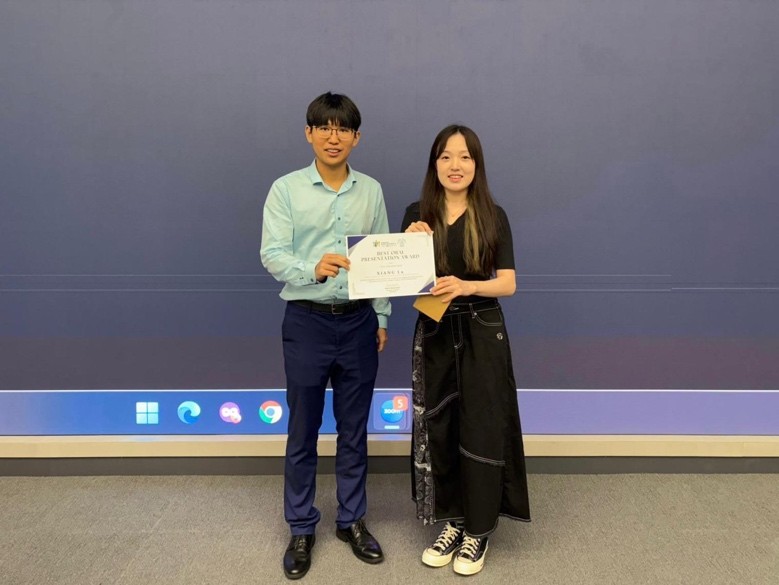
Lu Xiang (right) receiving the Best Oral Presentation Award in the APNSC-HKSAN2025.
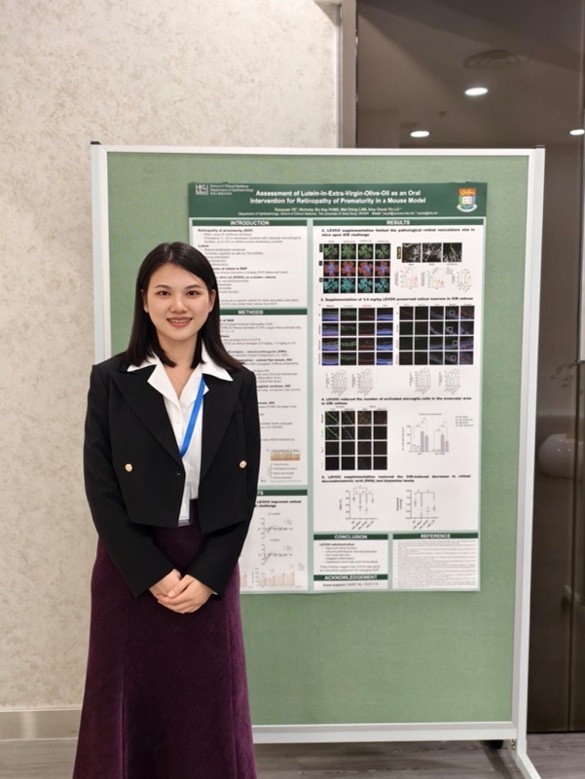
Xiaoyuan Ye received the Best Poster Presentation Award in the APNSC-HKSAN2025
- Faculty of Science
-
Earth Sciences MPhil Student Confirms Existence of ν Octantis, with Findings Published in Nature
.jpg)
Ho Wan Cheng (left) with his supervisor Professor Man Hoi Lee . An international team of astrophysicists led by Professor Man Hoi Lee from HKU’s Department of Earth and Planetary Sciences and MPhil student Ho Wan Cheng have confirmed the existence of a planet in an unprecedented retrograde orbit in the ν Octantis (ν Oct) binary star system and revealed the role of binary star evolution in the origins of this planet.
Ho Wan’s research focused on the existence of a planet in the tight binary star system ν Oct, which has been heavily debated since the planet hypothesis was first proposed in 2004. The planet had unprecedented orbital properties and thus there were strong theoretical grounds against its formation, and on understanding the origin of the exoplanetary system.
During his MPhil studies, Ho Wan not only confirmed the planet’s existence, but also discovered that its orbit is in retrograde, meaning that the planet goes in the opposite direction to its host star and stellar companions. The backward-moving orbit is the first of its kind among the approximately 6,000 exoplanets discovered to date. He was a lead author in this research, with the work published in Nature.
“Our research has resolved a decades-long debate over the existence of an unprecedentedly wide circumstellar planetary orbit in a tight binary star system, previously thought impossible based on standard models of planet formation and dynamics,” said Ho Wan, who has been awarded the Li Ka Shing Prize for this research.
Ho Wan is now pursuing a PhD at the University of New South Wales, Australia, to further his understanding in the field. He is grateful to his supervisor, Professor Lee, and HKU for giving him a beginning in planetary astronomy research in Hong Kong.
(This article is adapted from https://bulletin.hku.hk/research/star-signs/.)
AI for Every Mind: Science Postgraduate Students Explore Advances in AI in Earth Sciences and Beyond
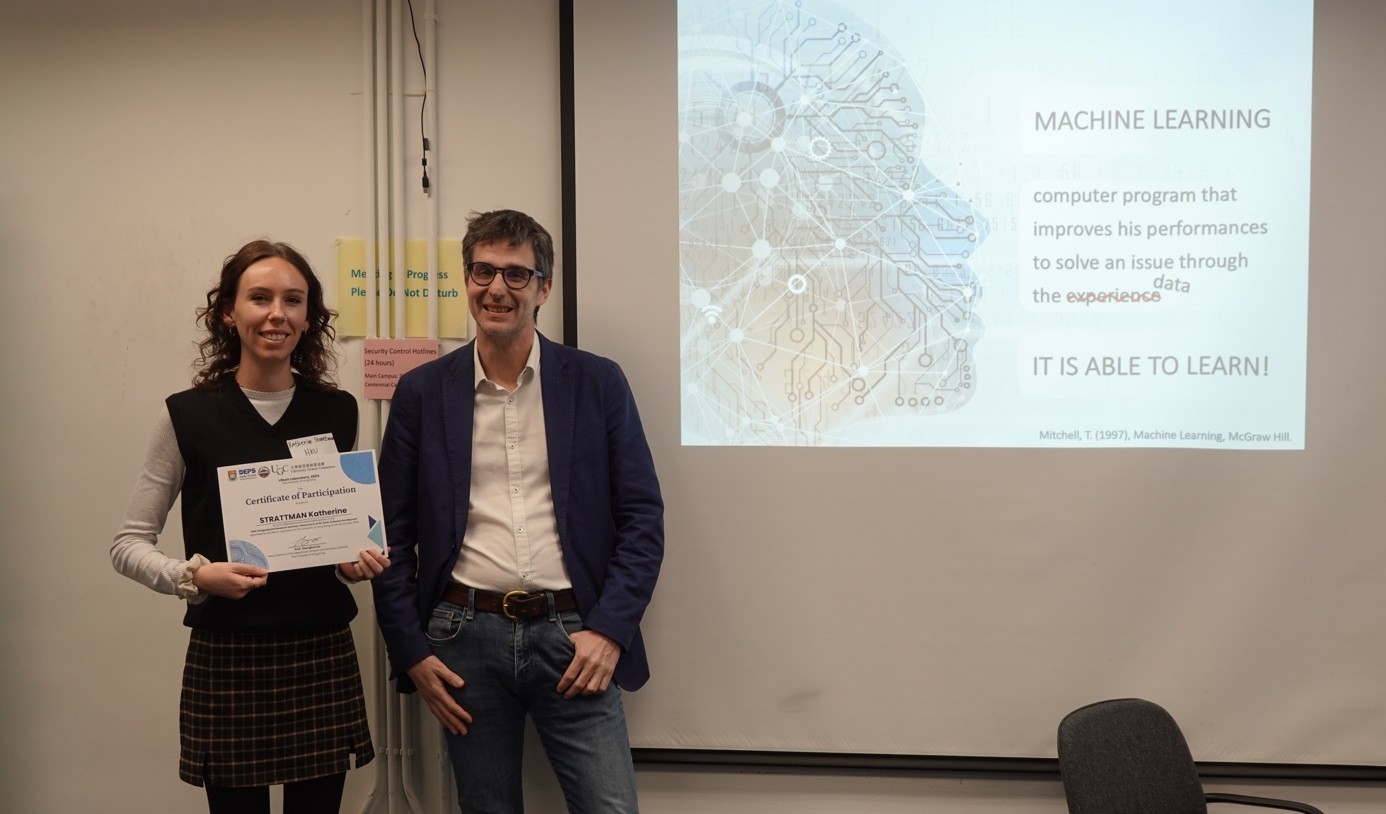
Katherine Strattman (left) participating in the “Advances in AI for Earth Sciences and Beyond” seminar. © Mike Ausejo On 29–30 January 2026, the Department of Earth and Planetary Sciences (DEPS) successfully held a Postgraduate Research Seminar, titled “Advances in AI for Earth Sciences and Beyond” (https://vrocklab.hku.hk/ai-seminar/). The Hong Kong Research Grants Council (RGC) provided funding to the VRock Laboratory for the seminar, which was led by Professor Weiran Li and primarily organised by two postgraduate students, Xiaoyu Liu and Mike Ausejo. The two-day seminar aimed to provide students with fundamental knowledge of artificial intelligence (AI), particularly machine learning, and explore the advances of AI applications in earth sciences and cross-disciplinary research.
Postgraduate students researching earth and planetary sciences from four universities participated in the seminar, namely the Chinese University of Hong Kong, the Hong Kong University of Science and Technology, the Macau University of Science and Technology, and HKU. This event facilitated a highly interactive and interdisciplinary exchange on data-driven science among students based in Hong Kong and Macau.“The Orange Volcanoes offers an intuitive yet powerful interface for high-dimensional data visualization, significantly accelerating exploratory data analysis in my research,” noted a participant of the seminar, Katherine Strattman, a Year-4 PhD student researching wildfire modelling in subtropical regions. The seminar not only enhanced the awareness of the utility of AI in resolving the most complex puzzles of our home planet, but also is aligned with the increasing recognition of AI in recent education and research activities at HKU: “AI for every mind”.
-